What to See in Kakadu?
Kakadu National Park is a massive UNESCO World Heritage Site in Australia’s Top End. 20,000 square kilometres of ancient Aboriginal rock art, stunning landscapes, wildlife and living culture over 65,000 years old. Waterfalls, plunge pools, rainforest and sacred sites. Unforgettable.
Just a few hours from Darwin, Kakadu is a great base or add-on to a bigger Northern Territory adventure. Many visitors also visit Litchfield National Park and Katherine Gorge as part of their Top End itinerary. For time-poor travellers a 3 day Kakadu tour is a great option which covers many of the park’s highlights with the convenience of a guide.
Contents
- 1 1. Ubirr Rock Art and Sunset Views
- 2 2. Nourlangie (Burrungkuy)
- 3 3. Yellow Water Billabong
- 4 4. Jim Jim Falls and Twin Falls
- 5 5. Maguk (Barramundi Gorge)
- 6 6. Mamukala Wetlands
- 7 7. Aboriginal Experiences
- 8 8. Gunlom Falls (Seasonal)
- 9 9. Bowali Visitor Centre
- 10 10. Wildlife and Habitat
- 11 Autopia Tours and Travel Tips
- 12 Nearby Tour Destinations
- 13 FAQ
Quick Comparison of Kakadu Attractions
| Attraction | Main Features | Accessibility | Best Season |
|---|---|---|---|
| Ubirr | Rock art, panoramic views | 2WD accessible | Dry & wet seasons |
| Nourlangie (Burrungkuy) | Aboriginal rock art, walking trails | 2WD accessible | Dry season |
| Yellow Water Billabong | Bird species, boat trips, crocodile spotting | 2wd + boat access | Year-round |
| Jim Jim Falls | Deep plunge pool, dramatic cliffs | 4wd + short hike | Dry season only |
| Twin Falls | Beach walk, boat shuttle, iconic waterfalls | 4WD + boat + walk | Dry season only |
| Maguk (Barramundi Gorge) | Natural plunge pool, monsoon forest | 4wd + short walk | Dry season |
| Mamukala Wetlands | Observation platform, bird watching | 2WD accessible | End of dry season |
| Gunlom Falls | Infinity pool, beautiful landscapes | 4wd (check for seasonal access) | Early dry season |
1. Ubirr Rock Art and Sunset Views
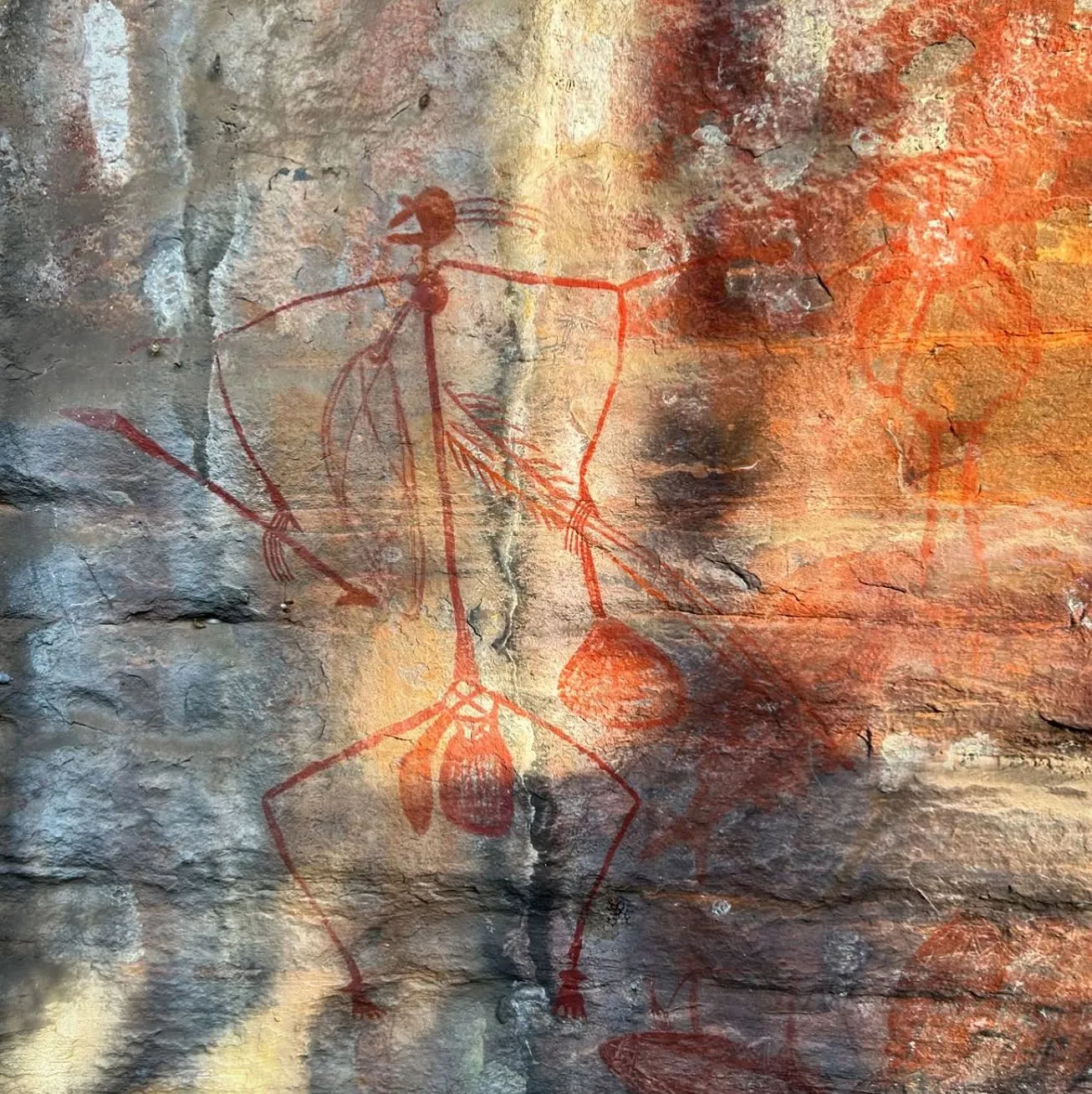
Ubirr has one of the most famous rock art galleries in Australia. The ancient paintings, some over 20,000 years old, are of Aboriginal people, animals and Dreamtime stories. A short walk to a lookout with views over the Nadab floodplain – a beautiful landscape especially in the wet season when the area is full of water and wildlife. This view is magical at sunset.
2. Nourlangie (Burrungkuy)
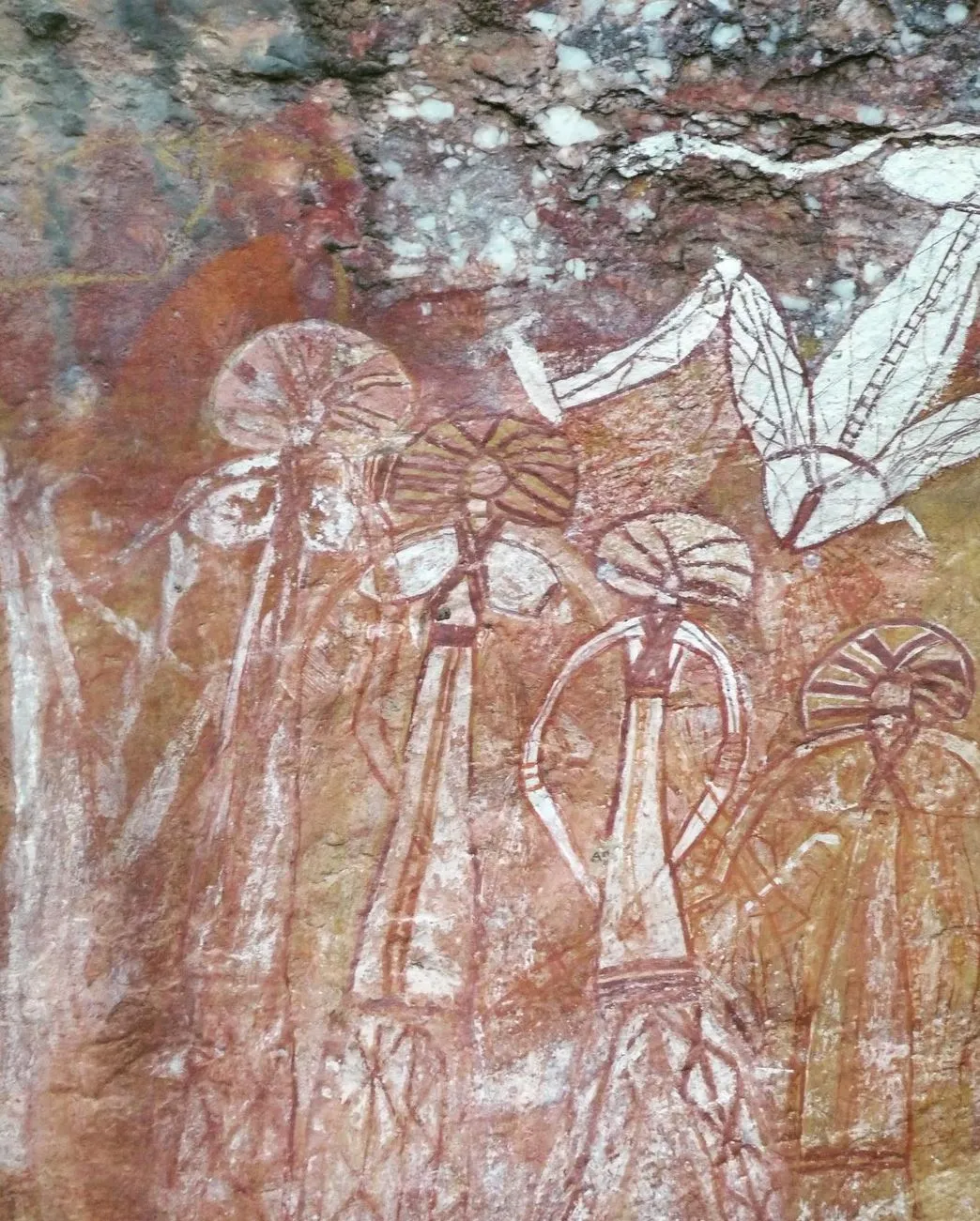
Nourlangie, also known as Burrungkuy, is another major rock art site showcasing the spiritual and cultural richness of the Aboriginal people. The rock shelters and art panels tell thousands of years of Indigenous history, stories and survival. Surrounded by green landscapes and natural rock formations, it’s perfect for day walks and cultural exploration.
3. Yellow Water Billabong
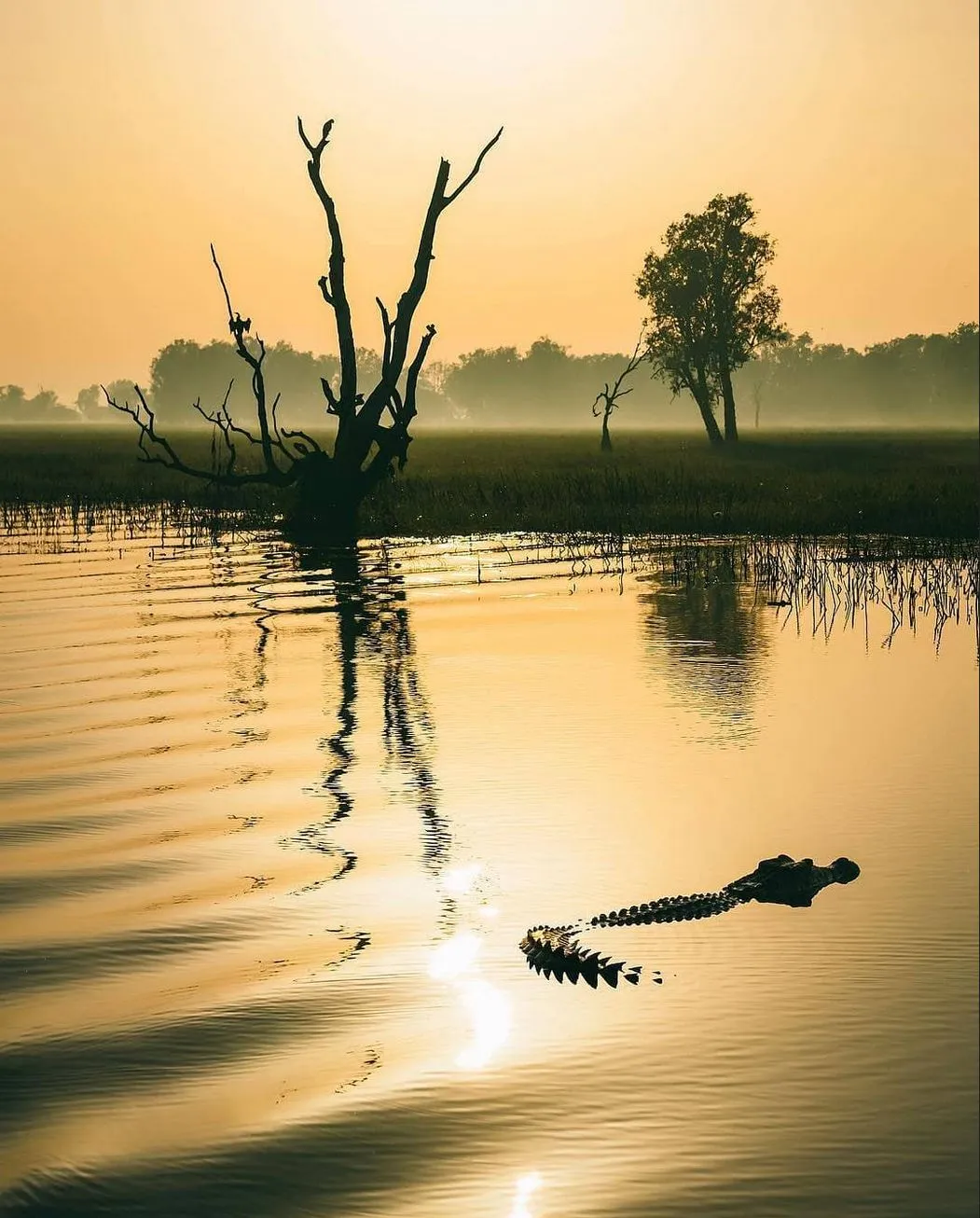
One of the park’s most popular wildlife spots, Yellow Water Billabong is a bird haven, a saltwater crocodile habitat, and a wetland for animals. A sunrise or sunset boat trip is a great opportunity to bird watch and spot crocodiles. The boat glides past water lilies and beautiful wetlands full of life. In the dry season this is one of the best places in Kakadu to see the park’s natural habitat.
4. Jim Jim Falls and Twin Falls
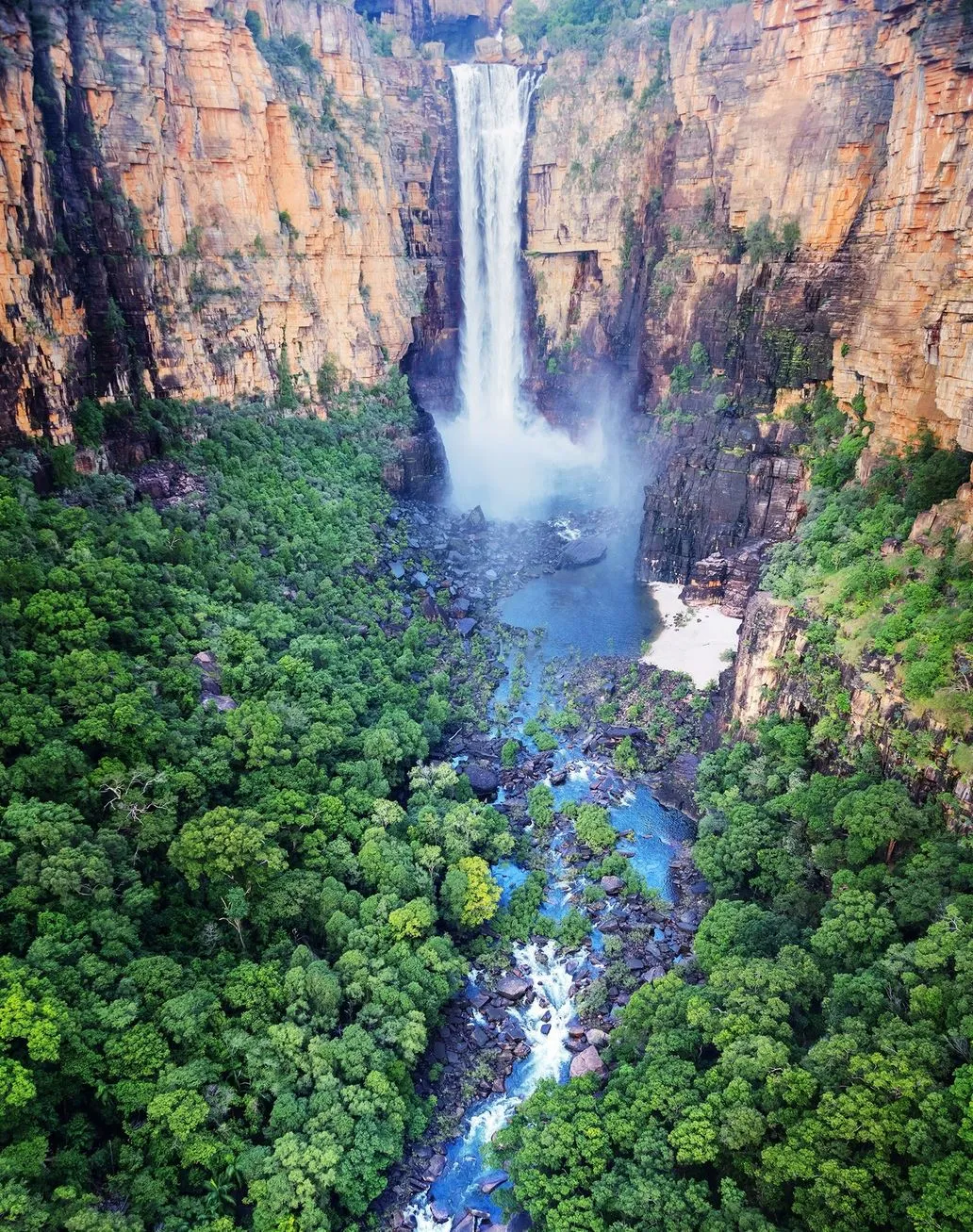
These are the park’s most famous waterfalls. Accessible only by 4wd via unsealed roads, they reward the adventurous with stunning views and plunge pools. Jim Jim Falls has a short walk to a deep plunge pool surrounded by cliffs, Twin Falls requires a boat shuttle, a walk and a swim to get to the outdoor pool. In the wet season access may be restricted due to heavy rain.
5. Maguk (Barramundi Gorge)
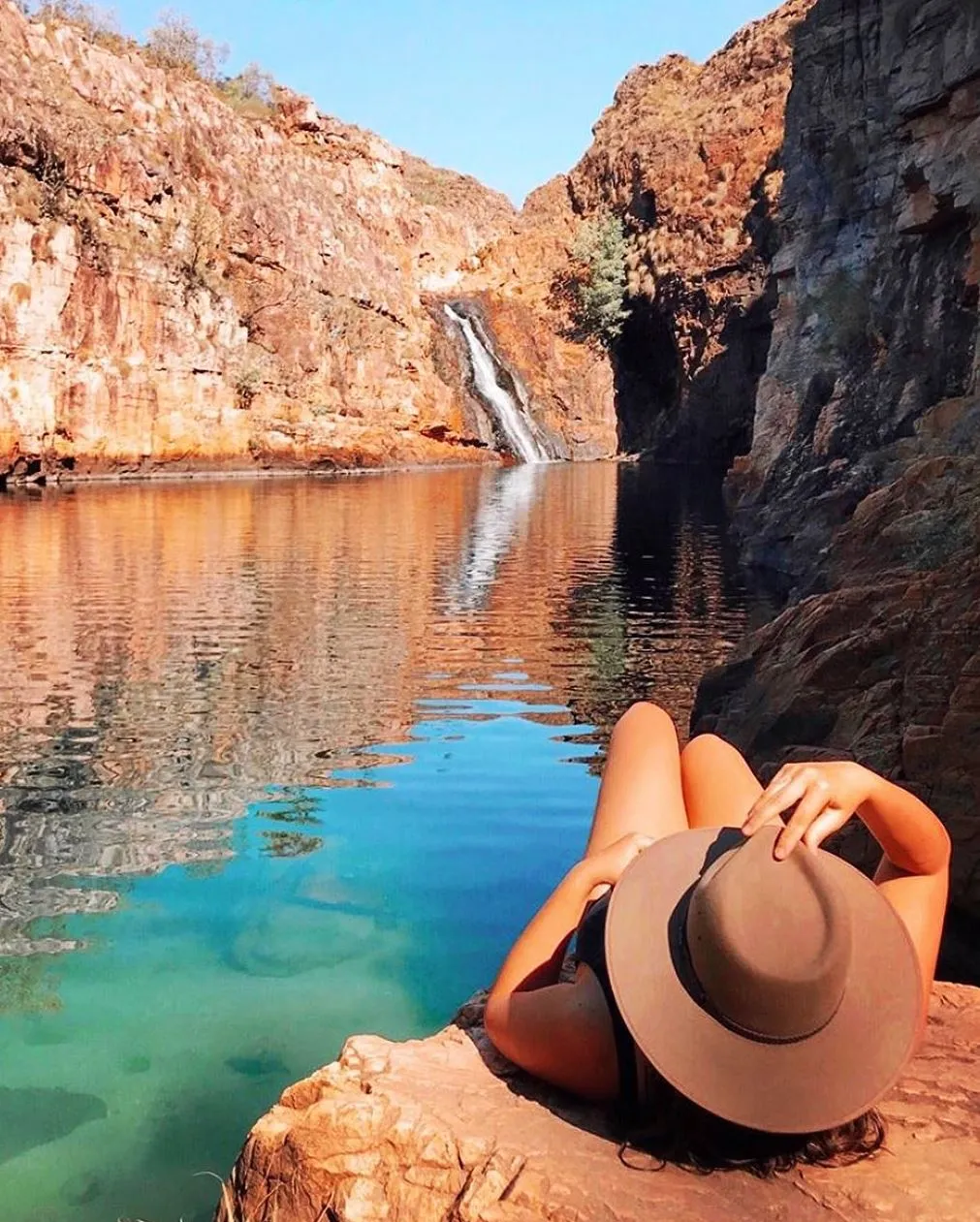
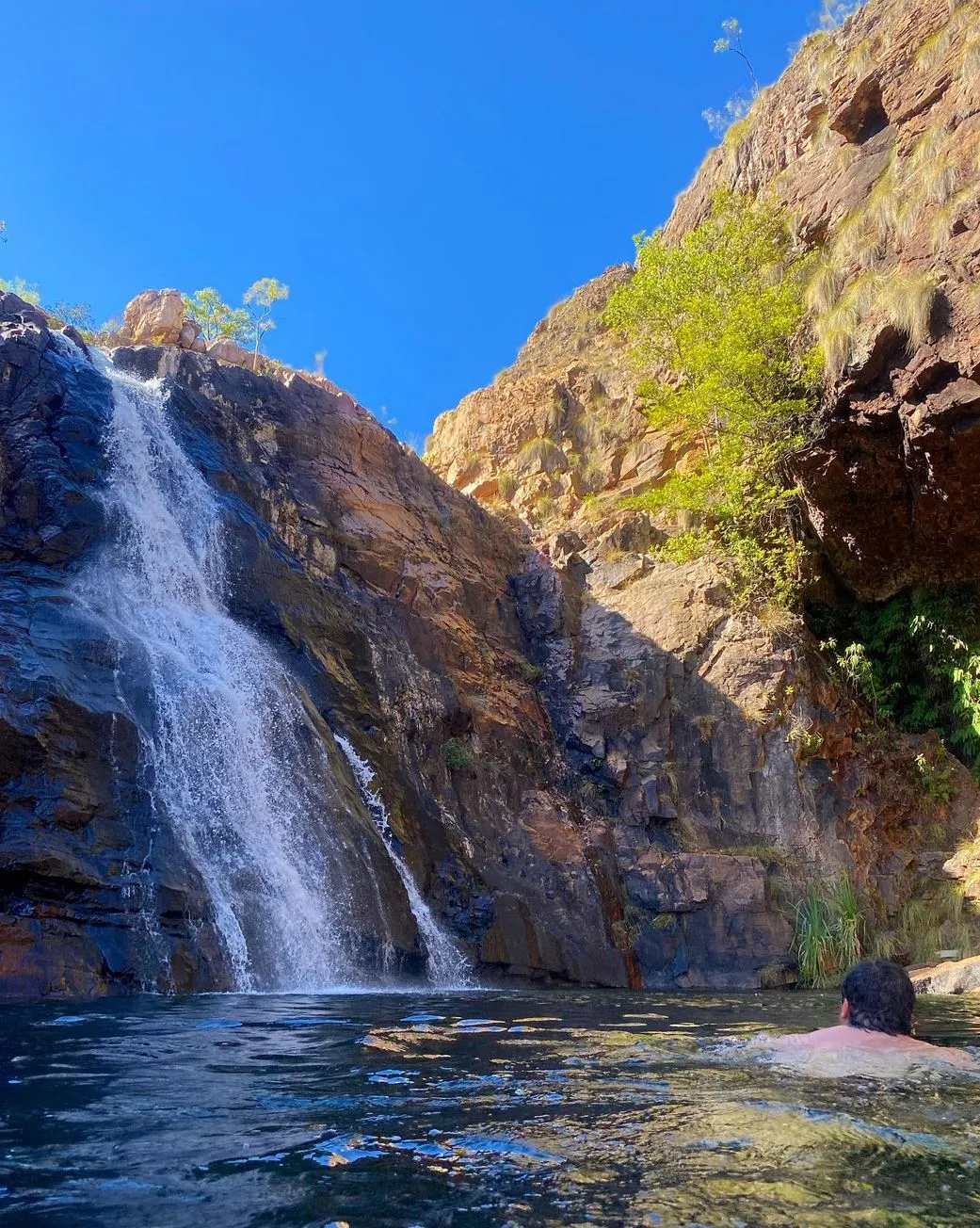
Maguk is one of Kakadu’s hidden gems, located along a dirt road in the southern part of the park. It’s a great day trip, with a deep clear plunge pool at the base of a waterfall. Surrounded by monsoon forest, this quiet swimming spot is perfect to escape the crowds and soak up Kakadu’s landscapes. Don’t forget your camping gear and drinking water if you plan to stay nearby.
6. Mamukala Wetlands
Birdwatching hotspot in the dry season. View water birds and seasonal changes in the ecosystem from the observation platform. Interpretive signs explain the wetland cycles and their significance to the Aboriginal people and birds.
7. Aboriginal Experiences
To really get to know Kakadu, do an experience guided by an Indigenous person. Learn about bush tucker, survival techniques and Dreamtime stories passed down through generations. Visit the Bowali Visitor Centre or a local arts centre to go deeper into the living culture of the area. These experiences will give you a glimpse into the oldest continuous culture on earth. Many 3 day Kakadu tours from Darwin include opportunities to meet local Aboriginal guides for cultural experiences.
8. Gunlom Falls (Seasonal)
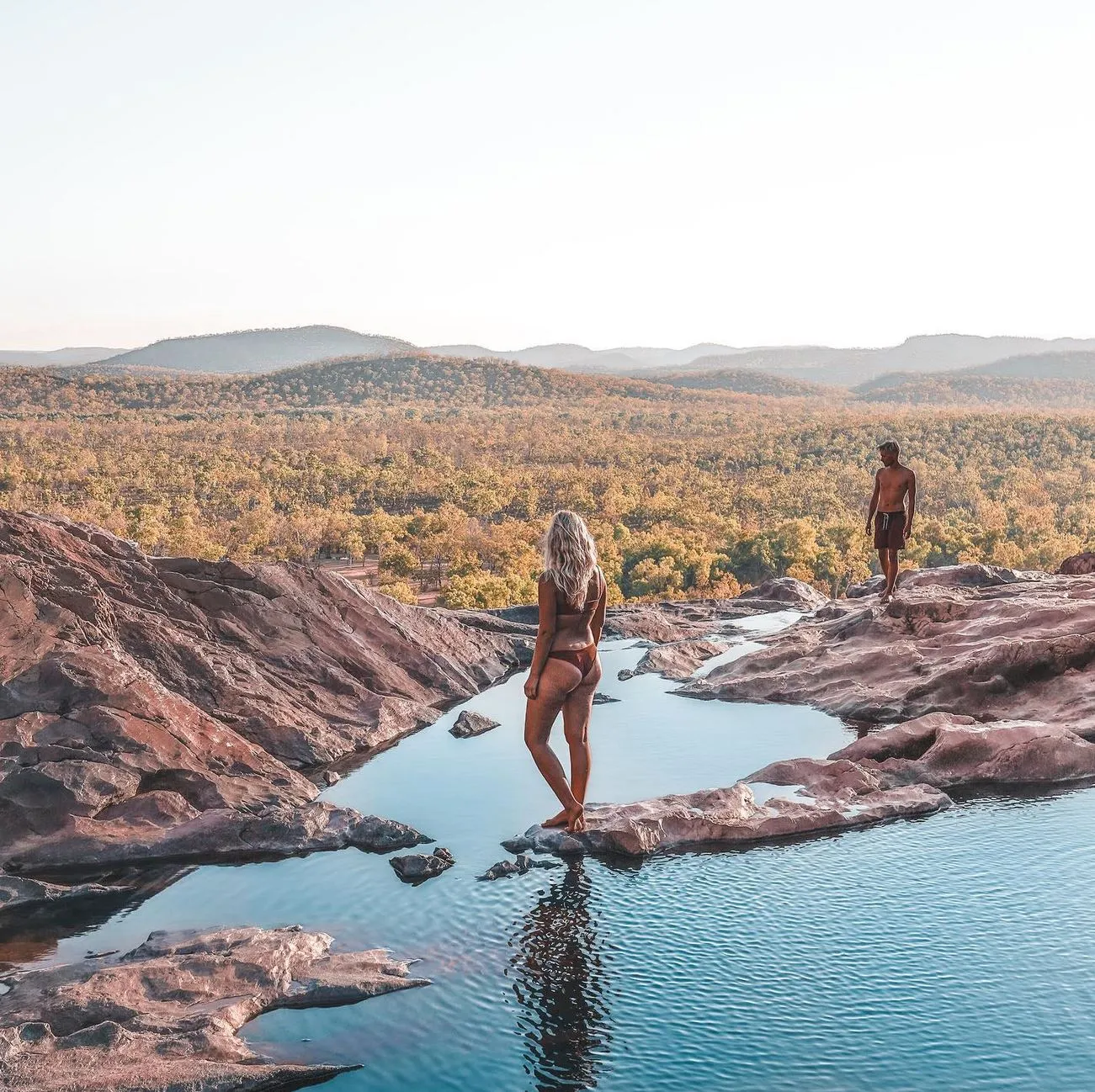
Gunlom Falls has the most famous infinity pool in Kakadu. The natural pools at the top of the falls offer stunning views of the southern part of the park. Access is seasonal and weather dependent, especially in the wet season when the track may be washed out. Check with local tour operators or the post office in Jabiru for updates.
9. Bowali Visitor Centre
Located near Jabiru, the Bowali Visitor Centre is the best place to start your Kakadu adventure. Here you can get maps, check track conditions, buy a park pass and learn about Aboriginal culture, national parks conservation and the region’s ecosystems. Interactive displays, local art and friendly rangers make this stop essential for planning your trip.
10. Wildlife and Habitat
Kakadu is home to hundreds of bird species, brolgas, jabirus and rainbow bee-eaters. With its natural pools, waterholes and rainforest, the park is a wildlife lover’s paradise. The combination of wet season vitality and dry season clarity makes Kakadu one of Australia’s top wildlife destinations.
Autopia Tours and Travel Tips
Autopia Tours offers guided Kakadu trips to remote areas safely and with deep cultural understanding. Our tours include camping gear, meals and access to 4wd-only areas. Whether you’re travelling solo or with a group, make sure to book your accommodation in advance and allow plenty of time – Kakadu is big and diverse.
Nearby Tour Destinations
Add to your trip:
- Litchfield National Park – waterfalls, magnetic termite mounds and swimming holes.
- Katherine Gorge (Nitmiluk National Park) – canoeing, hiking and Jawoyn culture.
- Darwin – the tropical capital of the Northern Territory, markets, museums and beach views.
FAQ
When is the best time to visit Kakadu?
Dry season (May to October) is the most popular time due to cooler temps, easier road access and water in plunge pools and waterfalls. Wet season (November to April) is lush and green, with dramatic storms and see the park in all its tropical summer glory.
Are there crocodiles in Kakadu?
Yes. Kakadu has freshwater and saltwater crocodiles. While crocodile sightings are common, safety measures are in place. Always follow signs and only swim in designated natural pools or outdoor pool areas.
Do I need a 4wd to explore Kakadu?
Some attractions like Jim Jim Falls and Twin Falls require 4wd due to unsealed roads. Other areas around Jabiru and the north are 2wd in the dry season. Check road conditions before you go.
How long do I need in Kakadu?
At least 4-5 days to see the main attractions and immerse yourself in the park’s biodiversity, Aboriginal history and cultural experiences. You’ll want plenty of time to hike, swim and take it easy.
Do I need a park pass?
Yes, a Kakadu National Park pass is required and can be purchased online or at the Bowali Visitor Centre. It helps fund conservation and supports Indigenous ranger programs that protect the park’s natural and cultural heritage.